
As I stirred the creamy garlic-butter sauce, a wave of nostalgia washed over me, transporting me to sun-drenched Italian piazzas where the aroma of seafood wafts through the air. This is the magic behind my Luxurious Lobster Bucatini, a dish that transforms a simple dinner into a celebration of love and flavor. Perfectly al dente bucatini cradles tender, sweet lobster meat, creating an elegant blend that’s surprisingly simple to prepare at home. Plus, it serves as a delightful crowd-pleaser for gatherings, making it the ideal choice for intimate dinners or special occasions. Intrigued by how just a few key ingredients can turn an ordinary night into something memorable? Let’s dive into the recipe!
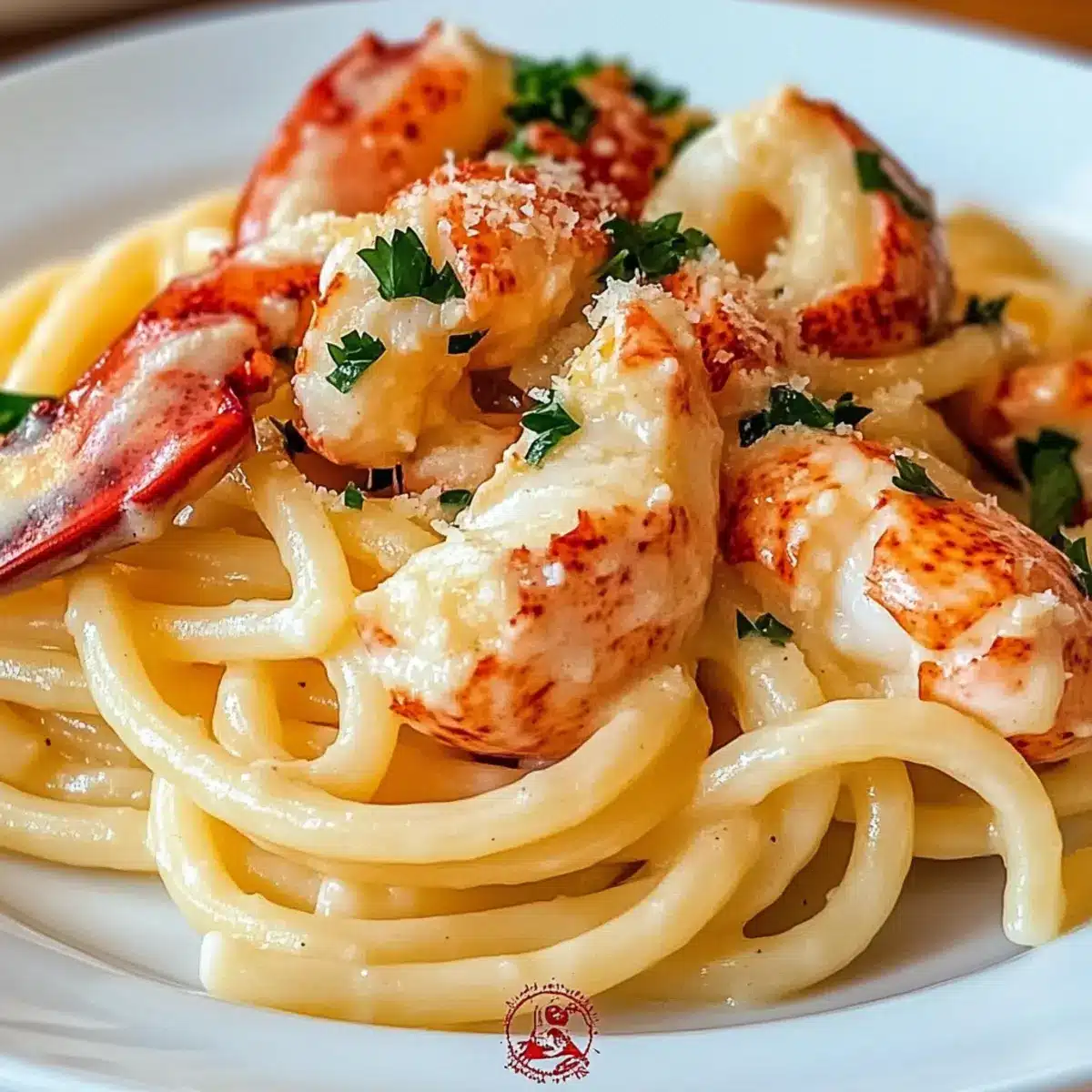
Why is Lobster Bucatini a Must-Try?
Luxurious experience at home: You don’t need to visit a fancy restaurant to enjoy gourmet dining—this Lobster Bucatini will elevate your culinary repertoire right in your kitchen.
Effortless simplicity: With just a handful of ingredients, you can whip up a show-stopping dish that impresses everyone at the table.
Flavor explosion: The rich garlic-butter sauce combined with sweet lobster meat creates a delightful harmony that will have you savoring every bite.
Versatile option: Feel free to customize the recipe by adding seasonal veggies or swapping out cheeses, making it adaptable to your tastes.
Crowd-pleaser: This dish is perfect for romantic dinners or festive gatherings, effortlessly satisfying your loved ones and guests. For more inspiring ideas, check out our dinner recipes for additional treats to complement your meal!
Time-saving: With a quick cooking time, you can have an impressive dinner on the table in no time—ideal for busy weeknights!
Lobster Bucatini Ingredients
For the Pasta
• Bucatini pasta – This hearty pasta provides the ideal texture for sauce to cling on; feel free to substitute with linguine or spaghetti for variation.
For the Sauce
• Unsalted butter – Essential for creating a creamy garlic-butter sauce that’s rich and luxurious.
• Olive oil – Adds depth and enhances the richness of the dish; don’t replace it with more butter to avoid overwhelming the flavors.
• Garlic – Fresh garlic infuses the sauce with aromatic goodness; always choose fresh for the best flavor.
• Red pepper flakes (optional) – Just a pinch elevates the dish with a hint of heat; adjust to your preferred spice level.
• Dry white wine (e.g., Sauvignon Blanc, Pinot Grigio) – This adds acidity that balances the richness of the sauce perfectly.
• Reserved pasta water – Use this to adjust the sauce’s consistency for that creamy, silky finish.
• Salt & pepper – Crucial for seasoning and bringing all the flavors to life.
For the Finishing Touches
• Cooked lobster meat – The star of the dish, adding luxury and sweetness; make sure to thaw and pat dry if using frozen.
• Fresh parsley – Brightens the dish with a touch of freshness; you can swap it for basil for a different flavor twist.
• Parmesan cheese – Offers umami and creaminess; consider Pecorino Romano or Grana Padano as alternatives for a varied taste.
Step‑by‑Step Instructions for Lobster Bucatini
Step 1: Boil the Pasta
Bring a large pot of salted water to a rolling boil over high heat. Add the bucatini and cook according to the package instructions until al dente, about 8–10 minutes, ensuring it retains a slight bite. Just before draining, reserve ½ cup of the starchy pasta water, as this will help achieve a silky sauce later. Drain the pasta and set aside.
Step 2: Prepare the Sauce Base
In a large skillet, melt 2 tablespoons of unsalted butter with 1 tablespoon of olive oil over medium heat. Allow the butter to foam and turn slightly golden, which will take about 2 minutes. This delightful mixture creates the foundation for the rich garlic-butter sauce in your Lobster Bucatini.
Step 3: Sauté Aromatics
Add 3 cloves of minced garlic and a pinch of red pepper flakes (if using) to the skillet, sautéing for about 1 minute until fragrant and golden. Be careful not to let the garlic burn, as this can create a bitter taste. The warmth will invite the lovely aroma of garlic to fill your kitchen, building anticipation for your Lobster Bucatini.
Step 4: Add White Wine
Pour in ½ cup of dry white wine, like Sauvignon Blanc or Pinot Grigio, and let it simmer for 2–3 minutes. Stir occasionally until the wine reduces slightly and its sharpness mellows, helping to balance the richness of the sauce. The bubbling liquid will transform the flavorful base and add a delightful depth to your Lobster Bucatini.
Step 5: Warm the Lobster
Gently fold in the cooked lobster meat, carefully tossing it with the sauce. Heat the lobster through for about 2 minutes, ensuring it warms evenly without overcooking. This step allows the sweetness of the lobster to meld beautifully with the garlic-butter sauce, enhancing the flavors of your dish.
Step 6: Combine Pasta and Sauce
Take the drained bucatini and place it into the skillet with the sauce and lobster. Gradually add the reserved pasta water, about ¼ cup at a time, tossing to achieve a creamy and silky texture. Continue to mix until the bucatini is well-coated, and the sauce clings beautifully to the pasta, perfect for your Lobster Bucatini.
Step 7: Season and Finish
Taste your dish and season it with salt and freshly cracked black pepper to enhance the flavors. Once satisfied, remove the skillet from heat and stir in a handful of freshly chopped parsley for a pop of color and freshness. This final touch ensures your Lobster Bucatini is not only delicious but visually appealing as well.
Step 8: Plate and Serve
Serve the Lobster Bucatini immediately, garnishing with generous shavings of Parmesan cheese. The cheese will melt slightly into the warm pasta, elevating the dish even further. Enjoy your luxurious meal while it’s fresh, and indulge in every savory bite that you’ve created!
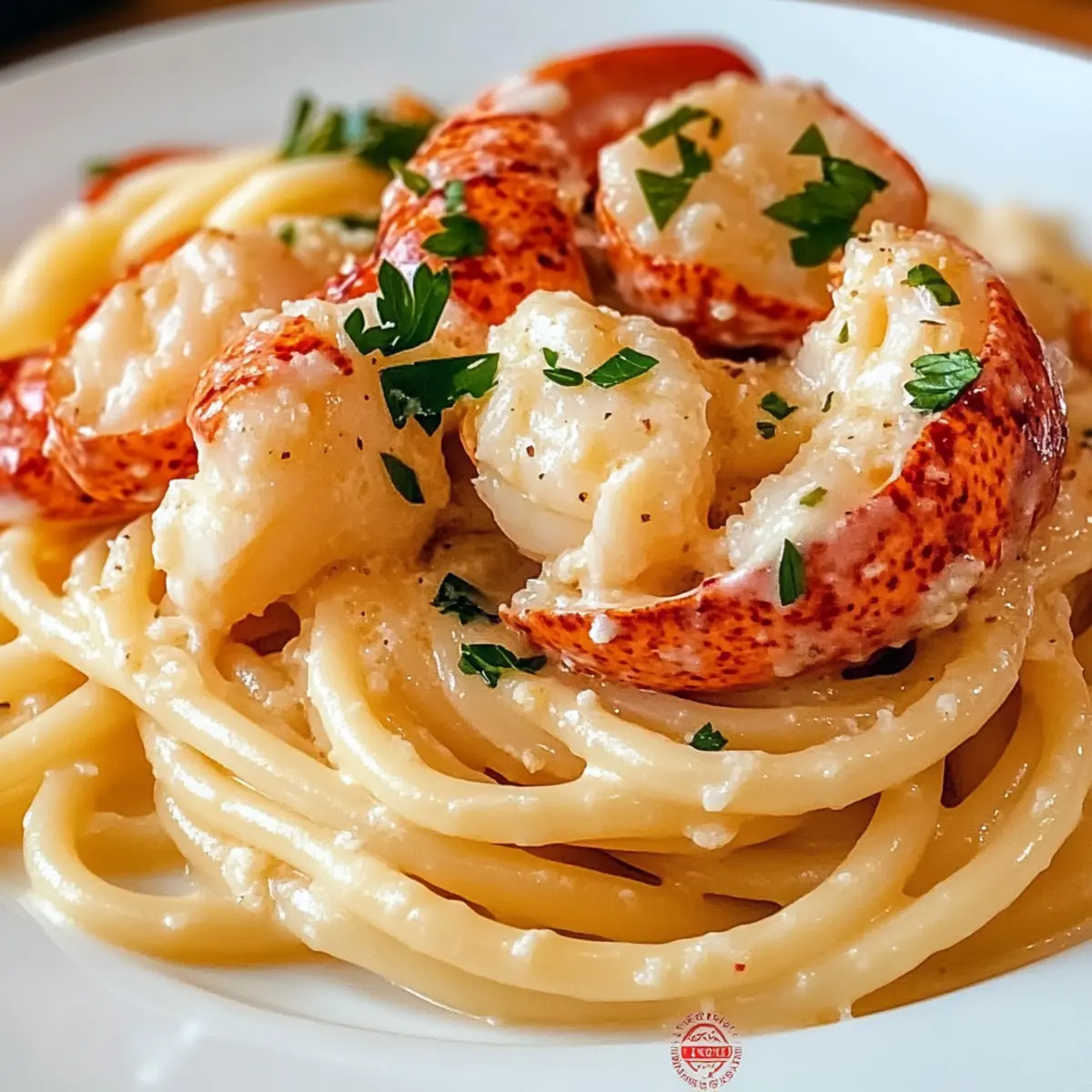
Lobster Bucatini: Creative Twists
Feel free to make this dish your own with delightful substitutions and variations that will appeal to your adventurous palate!
-
Pasta Swap: Replace bucatini with spaghetti or fettuccine for a different texture and presentation. Both options hold the sauce beautifully.
-
Dairy-Free: Use extra olive oil instead of butter for a dairy-free garlic sauce while still achieving that rich flavor. It’s a great option for lactose-intolerant friends!
-
Vegetable Addition: Toss in sautéed spinach, cherry tomatoes, or asparagus for added color and nutrition. These veggies bring a fresh burst that brightens the dish!
-
Cheese Change: Swap Parmesan for Pecorino Romano for a sharper, more piquant flavor. You could also try a sprinkle of feta for a Mediterranean twist.
-
Flavored Olive Oil: Infuse your olive oil with garlic or herbs before adding it to the sauce for a depth of flavor. Experiment with infused oils for tantalizing results!
-
Herbs Variation: Instead of parsley, use fresh basil or even dill to adjust the aromatic profile and bring a new taste dimension. The herb choice can radically change the dish!
-
Add a Kick: If you love heat, amp up the red pepper flakes or add fresh diced jalapeños. This fun twist offers a spicy contrast to the sweet lobster meat.
-
Wine Alternative: Use a splash of seafood broth instead of white wine for a non-alcoholic option that still delivers a flavorful depth to the sauce. It’s perfect for family-friendly dinners.
Discover how a few simple adjustments can add a whole new level of enjoyment to your Lobster Bucatini. For more creative pasta ideas, check out our selection of unique pasta dishes that everyone will love!
Expert Tips for Lobster Bucatini
-
Fresh Ingredients Matter: Use fresh garlic and high-quality lobster meat for the best flavors. Fresh ingredients make a world of difference in your Lobster Bucatini.
-
Pasta Cooking: Avoid overcooking the bucatini; it should be al dente. Overcooked pasta can become mushy and lose its texture.
-
Adjust Sauce Consistency: Save that reserved pasta water! Gradually add it to the sauce to achieve the perfect silky consistency without overwhelming it.
-
Wine Selection: Choose a dry white wine that you enjoy drinking; the flavor will enhance the overall dish. Stay away from sweet wines, as they can alter the sauce’s taste.
-
Heat Control: When warming the lobster, use medium-low heat. High heat can toughen the delicate meat, ruining the luxurious experience of your Lobster Bucatini.
-
Reheating Tips: If you have leftovers, avoid the microwave. Gently reheat in a skillet to keep the lobster tender and the sauce creamy.
Make Ahead Options
These Lobster Bucatini are a fantastic choice for meal prep enthusiasts looking to save time during busy weeknights! You can prepare the garlic-butter sauce (steps 2-4) and refrigerate it for up to 3 days. Ensure it’s stored in an airtight container to maintain its rich flavor and aroma. You can also cook the lobster and store it separately, keeping both in the fridge to prevent any moisture loss. When you’re ready to serve, simply reheat the sauce gently in a skillet, add the lobster, and toss with freshly cooked bucatini. Following this method allows you to enjoy restaurant-quality Lobster Bucatini with minimal effort, transforming your dinner into a special occasion.
What to Serve with Luxurious Lobster Bucatini?
Creating a memorable dining experience is easy with these delightful pairings that enhance the flavors of your pasta masterpiece.
-
Garlic Bread: A crispy, buttery accompaniment that perfectly complements the rich sauce, offering a satisfying crunch with every bite.
-
Arugula Salad: Fresh greens tossed with a zesty lemon vinaigrette add brightness and a delightful peppery flavor, cutting through the richness of the dish.
-
Grilled Asparagus: Lightly charred asparagus brings a tender crunch and earthy flavor, providing a wonderful contrast to the creamy lobster pasta.
-
Roasted Cherry Tomatoes: Juicy and sweet, these burst-in-your-mouth tomatoes add a pop of color and a touch of acidity to balance the dish’s richness.
-
Sparkling Wine: A chilled glass of sparkling wine or Champagne lends a celebratory flair, enhancing the luxurious experience with every sip.
-
Cheese Platter: Serve with a selection of soft cheeses and crackers for a sophisticated touch, inviting guests to nibble between bites of the hearty pasta.
-
Lemon Sorbet: A light and refreshing palate cleanser, the citrusy flavor refreshes your taste buds and sets the tone for a delightful dessert option.
-
Creamy Risotto: Offer a side of creamy risotto to elevate the meal; its rich texture harmonizes beautifully with the lobster’s sweetness, creating a luxurious dining experience.
-
Crispy Bruschetta: Topped with fresh tomatoes and basil, this crunchy appetizer awakens the palate, preparing you for the indulgence of Lobster Bucatini.
How to Store and Freeze Lobster Bucatini
Fridge: Store leftovers in an airtight container for up to 2 days. Make sure the dish has cooled down before sealing to prevent moisture buildup.
Freezer: Lobster Bucatini can be frozen for up to 1 month. However, freezing may alter the texture of the lobster; ensure it’s well-wrapped to prevent freezer burn.
Reheating: To reheat, avoid the microwave, which can toughen the lobster meat. Instead, gently warm it in a skillet over low heat, adding a splash of reserved pasta water to restore creaminess.
Original Flavor: When storing, remember that the creamy sauce may thicken as it sits. Adjust with a bit of pasta water when reheating to maintain that luscious, luxurious texture in your Lobster Bucatini.
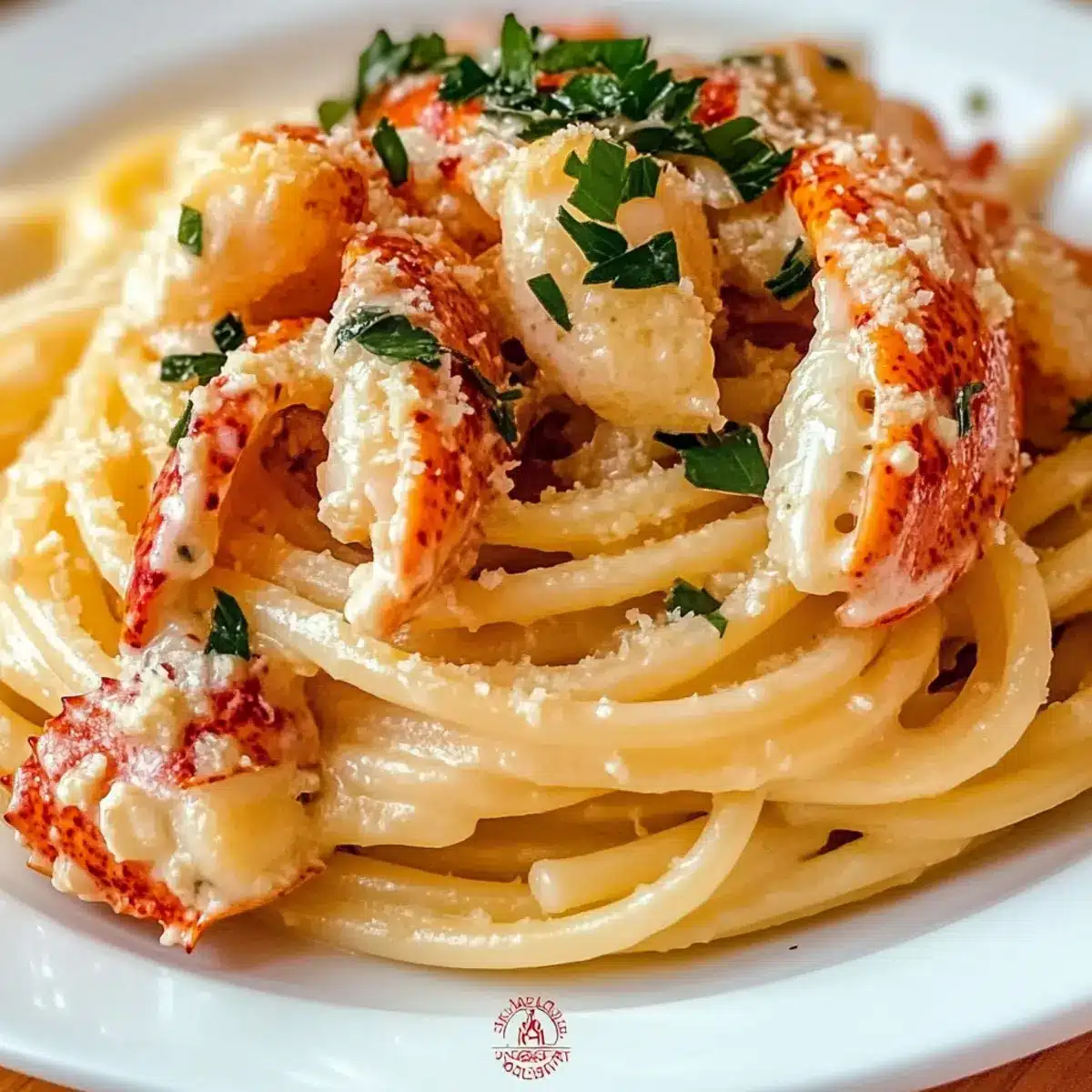
Lobster Bucatini Recipe FAQs
What type of lobster should I use for Lobster Bucatini?
Absolutely! You can use cooked lobster meat, which can be found at most seafood markets or grocery stores; opting for fresh or previously frozen is best. If using frozen lobster, make sure to thaw it completely and pat it dry before adding it to your dish to maintain the ideal texture and flavor.
How should I store leftover Lobster Bucatini?
To keep your delicious Lobster Bucatini fresh, store any leftovers in an airtight container in the refrigerator for up to 2 days. Let it cool before sealing to prevent moisture buildup, which can affect the pasta and sauce’s quality.
Can I freeze Lobster Bucatini?
Yes! You can freeze your Lobster Bucatini for up to 1 month. Make sure to transfer it to airtight containers or heavy-duty freezer bags to prevent freezer burn. Keep in mind that freezing might alter the texture of the lobster, so use it as soon as possible for the best taste!
What’s the best way to reheat Lobster Bucatini without ruining the lobster?
For rewarming, I highly recommend using a skillet rather than a microwave, which can toughen the delicate lobster meat. Gently heat the Lobster Bucatini over low heat in a skillet, stirring occasionally and adding a splash of reserved pasta water to help restore its creamy texture, ensuring a luxurious bite.
Can I make Lobster Bucatini dairy-free?
Very! For a dairy-free version of Lobster Bucatini, simply replace the unsalted butter with olive oil or a plant-based butter alternative. This will maintain a rich flavor while accommodating dairy allergies, making it inclusive for all your guests!
What if I can’t find bucatini pasta?
Not a problem! If bucatini isn’t available, you can easily substitute it with linguine or spaghetti, though bucatini’s hollow shape is perfect for trapping that creamy garlic-butter sauce. The more the merrier, so feel free to choose whatever pasta you love most!

Indulge in Luxurious Lobster Bucatini for a Special Dinner
Ingredients
Equipment
Method
- Bring a large pot of salted water to a boil. Add bucatini and cook until al dente (8-10 minutes). Reserve 1/2 cup pasta water before draining.
- In a skillet, melt butter and olive oil over medium heat for 2 minutes until golden.
- Add minced garlic and red pepper flakes, sauté for 1 minute until fragrant.
- Pour in white wine and let it simmer for 2-3 minutes until reduced slightly.
- Gently add cooked lobster meat to the skillet. Heat for 2 minutes without overcooking.
- Combine drained bucatini with the sauce, adding reserved pasta water gradually for creaminess.
- Season with salt and pepper, and stir in chopped parsley before serving.
- Serve immediately, garnished with shavings of Parmesan cheese.
Leave a Reply