
The moment I unwrapped the slow cooker in the early evening light, I knew dinner would be something special. I had just discovered a fantastic recipe for Slow Cooker Korean Beef, a dish that draws inspiration from the beloved flavors of Korean bulgogi. The combination of sweet, savory, and umami notes creates a luxurious taste, while the fork-tender beef practically melts in your mouth. Whether you’re seeking an easy weeknight meal or a comforting dish to impress loved ones, this recipe promises minimal prep and maximum flavor. Imagine coming home to the tantalizing aroma wafting through your kitchen after a long day—who could resist? Ready to soak in the flavors of this delectable comfort food? Let’s dive into the details!
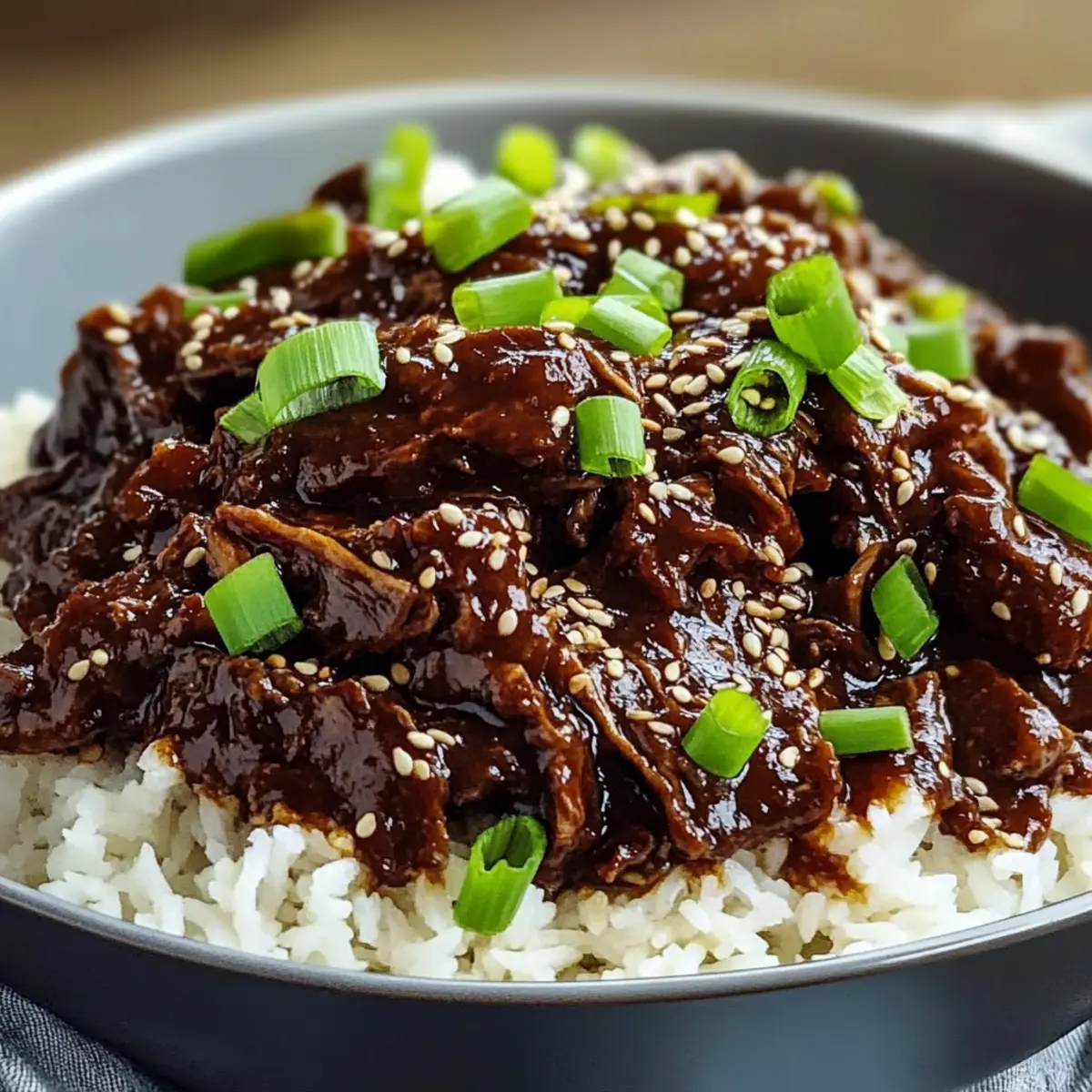
Why Is This Comfort Dish So Popular?
Easy preparation: This Slow Cooker Korean Beef is a breeze to make, requiring minimal effort—just throw everything into the slow cooker and let it do the work!
Rich, savory goodness: The blend of soy sauce, garlic, and ginger creates an unforgettable flavor profile that will have everyone asking for seconds.
Versatile serving options: Serve it over fluffy rice, in lettuce wraps, or alongside your favorite pickled vegetables for a delightful meal you can mix up throughout the week.
Perfect for leftovers: This dish tastes even better the next day! Make a double batch to enjoy lunch for the next few days, or save time with quick meals by pairing with options like Beef Stir Fry or Chinese Beef Broccoli.
Crowd-pleaser: Whether it’s a cozy family dinner or a gathering with friends, this recipe is sure to impress and satisfy. It’s comfort food at its finest!
Slow Cooker Korean Beef Ingredients
For the Beef
• Boneless beef short ribs or chuck roast – This cut provides the rich and tender base for the dish; choose those with good marbling for optimal tenderness.
For the Aromatics
• Olive oil – Used for searing beef to enhance flavor; you can substitute with vegetable oil if needed.
• Yellow onion – Adds sweetness and depth; roughly chop it for even cooking.
• Fresh ginger – Adds warmth and aromatic notes; grate it for better incorporation.
• Fresh garlic – Provides pungency and depth; mince for optimal flavor release.
For the Sauce
• Low-sodium soy sauce – Contributes savory umami flavor without overwhelming saltiness; tamari can be used as a gluten-free option.
• Light brown sugar – Balances the saltiness of soy sauce with sweetness; coconut sugar can be a healthier alternative.
• Rice vinegar – Adds acidity to balance flavors; apple cider vinegar is a good substitute.
• Toasted sesame oil – Imparts a nutty flavor to enrich the dish; reduce the quantity if using regular sesame oil.
• Gochujang (optional) – Adds spice and complexity; you can substitute Sriracha or omit if you prefer less heat.
• Honey or maple syrup (optional) – Adds additional sweetness and depth; choose based on your preference.
• Black pepper – Introduces a hint of spice; using freshly ground pepper maximizes flavor.
For Thickening (Optional)
• Cornstarch – For thickening the sauce if desired; make a slurry with water for best results.
• Cold water – Helps to prepare cornstarch slurry.
For Garnishing
• Green onions – Thinly sliced for color and freshness, enhancing visual appeal.
• Toasted sesame seeds – Provides crunch and decoration.
• Red pepper flakes (optional) – Adds extra heat if desired.
• Fresh cilantro (optional) – Offers freshness and bright flavor.
This Slow Cooker Korean Beef recipe promises an irresistible combination of tenderness and bold flavor that will make your weeknight meals uniquely memorable!
Step‑by‑Step Instructions for Slow Cooker Korean Beef
Step 1: Prepare Beef & Aromatics
Begin by trimming any excess fat from your boneless beef short ribs or chuck roast. Cut the meat into 2-inch chunks for even cooking. Next, roughly chop one yellow onion and set it aside. This preparation is essential, as it ensures that your Slow Cooker Korean Beef has tender meat and flavorful aromatics to develop throughout the cooking process.
Step 2: Sear Beef
In a skillet, heat a tablespoon of olive oil over medium-high heat. Once hot, add the beef chunks to the skillet, searing them for about 2-3 minutes on each side until beautifully browned. This step infuses the meat with rich flavor. After browning, transfer the beef to your slow cooker, along with the chopped onions, allowing the savory goodness to meld together.
Step 3: Prepare Korean Sauce
In a mixing bowl, whisk together low-sodium soy sauce, light brown sugar, rice vinegar, toasted sesame oil, grated fresh ginger, minced garlic, and optional gochujang for heat. Blend these ingredients until the sugar is dissolved, creating a beautifully aromatic sauce. Pour this sauce evenly over the seared beef and onions in the slow cooker, ensuring every piece is coated in this flavorful marinade.
Step 4: Combine & Cook
Stir gently to combine the beef and onions with the sauce, then cover the slow cooker with its lid. Set it to cook on low for 6-8 hours or on high for 3-4 hours. As the Slow Cooker Korean Beef simmers, the meat will become fork-tender, releasing its delicious flavors and filling your kitchen with tantalizing aromas, perfect for winding down after a busy day.
Step 5: Shred Beef & Thicken Sauce (if desired)
Once the cooking time is complete, carefully remove the beef from the slow cooker and shred it using two forks, creating deliciously tender strands. If you prefer a thicker sauce, make a cornstarch slurry by mixing cornstarch with cold water, then stir it into the cooking liquid. Allow it to simmer for a few minutes until the sauce thickens before returning the shredded beef to the slow cooker for a final mix.
Step 6: Finish & Serve
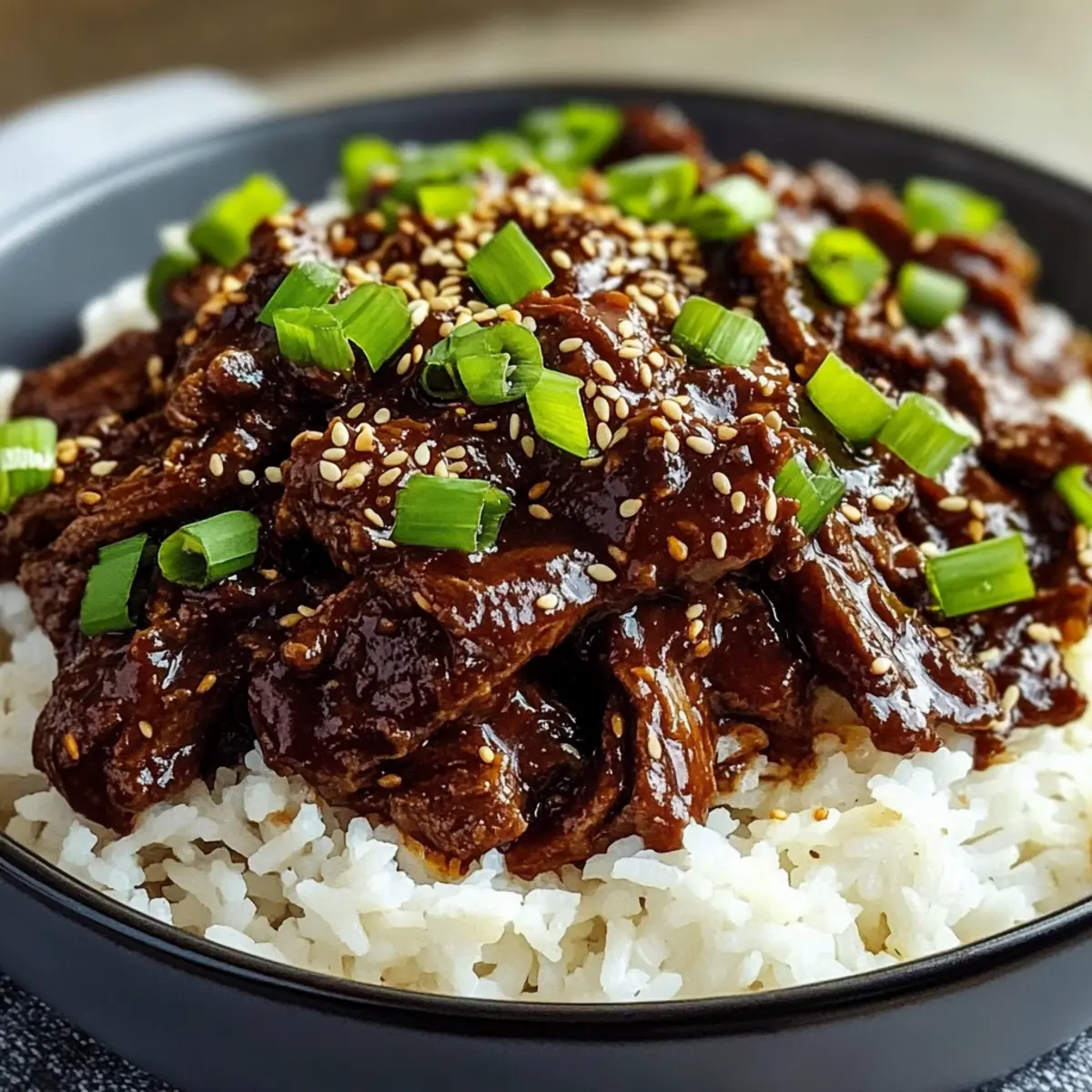
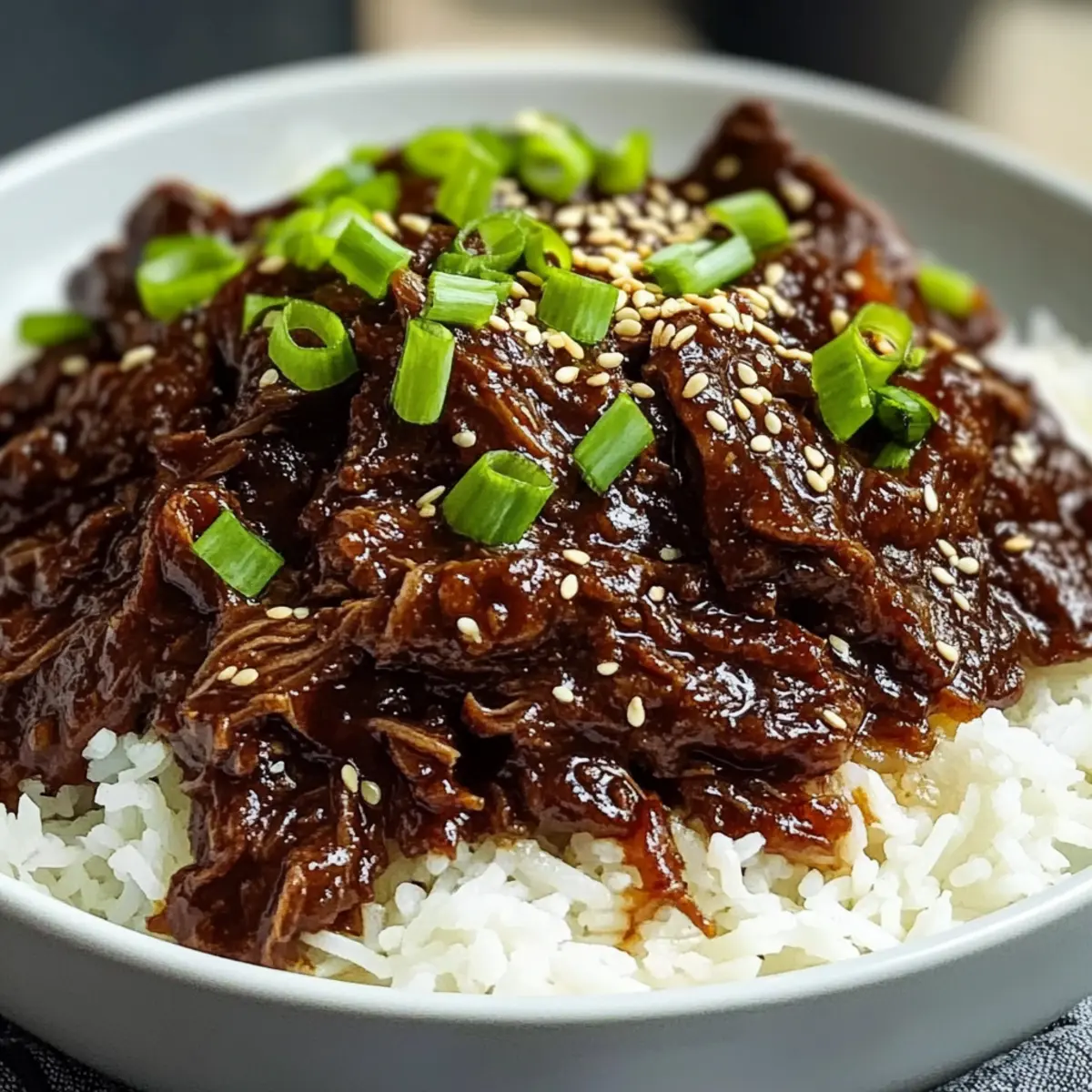
Return the shredded beef to the sauce and mix gently to ensure it’s well-coated. To serve, garnish with thinly sliced green onions and toasted sesame seeds for a delightful crunch. This Slow Cooker Korean Beef is best enjoyed over fluffy rice or in lettuce wraps, making it a versatile and comforting dish everyone will love.
Make Ahead Options
Preparing Slow Cooker Korean Beef ahead of time is a fantastic way to streamline your weeknight meals and save precious time! You can marinate the beef in the sauce and refrigerate it for up to 24 hours before cooking; this allows the flavors to deepen and enhances tenderness. Additionally, you can chop your aromatics (like the onions, ginger, and garlic) a few days in advance and store them in an airtight container in the fridge. When you’re ready to enjoy this comforting dish, simply transfer the marinated beef and aromatics to the slow cooker and follow the cooking instructions as usual. This ensures the meal remains just as delicious, making busy evenings hassle-free!
Expert Tips for Slow Cooker Korean Beef
-
Choose the Right Cut: Selecting boneless beef short ribs or chuck roast with good marbling ensures maximum tenderness in your Slow Cooker Korean Beef.
-
Don’t Skip Searing: Searing the beef before adding it to the slow cooker enhances the overall flavor. Take those extra minutes to achieve a nice brown crust!
-
Adjusting Spice Levels: If you prefer a milder dish, feel free to reduce or omit the gochujang. You can always add hot sauce at serving for those who enjoy a kick!
-
Sauce Thickness Options: If you desire a thicker sauce, make a cornstarch slurry before returning the shredded beef to the slow cooker. Stir continuously to prevent lumps.
-
Let it Rest: Let the finished dish sit a few minutes before serving; it enhances the flavors and allows the sauce to cling better to the beef.
-
Leftover Brilliance: This Slow Cooker Korean Beef tastes even better the next day, making it perfect for meal prep or a quick lunch option!
Storage Tips for Slow Cooker Korean Beef
Fridge: Store leftovers in an airtight container for up to 4 days. Ensure the beef is cool before sealing to maintain freshness and avoid condensation.
Freezer: If you have more Slow Cooker Korean Beef than you can eat within a few days, freeze the excess in a freezer-safe container for up to 3 months.
Reheating: When ready to enjoy, thaw frozen beef overnight in the fridge. Reheat gently on the stove or in the microwave until heated through, adding a splash of water if needed to loosen the sauce.
Serving Ideas: This versatile dish can be enjoyed over rice, in wraps, or alongside vegetables, making it perfect for meal prep and quick snacks!
What to Serve with Slow Cooker Korean Beef
Imagine the delightful harmony of contrasting flavors and textures that will elevate your dinner table.
- Steamed Jasmine Rice: The fluffy, fragrant rice absorbs the rich sauce, creating a perfect foundation for the tender beef.
- Lettuce Wraps: Crisp lettuce leaves add a refreshing crunch, offering a delightful contrast to the juicy meat for a fun, hands-on meal experience.
- Garlic Roasted Broccoli: The earthy sweetness of roasted broccoli complements the savory flavors of the beef while adding a nutritious component.
- Asian Slaw: A vibrant mix of cabbage, carrots, and cilantro, tossed in sesame dressing, brings a bright, crunchy element that cuts through the richness of the dish.
- Kimchi: Add a tangy and spicy twist that enhances the overall flavor and brings authenticity to your Korean meal.
- Sweet Potato Mash: This creamy and slightly sweet side perfectly balances the savory punch of the beef, creating a comforting combination.
- Chilled Cucumber Salad: The cool, crisp cucumbers dressed in rice vinegar add a refreshing bite that pairs wonderfully with the hearty beef.
- Sesame Noodles: Serve with cold or warm sesame noodles to create a lovely counterpart to the Korean flavors, impressing your family or guests.
- Chardonnay or Riesling: Pair a glass of chilled white wine, either dry or off-dry, to complement the salty-sweet flavor profile of the dish.
Slow Cooker Korean Beef Variations
Feel free to get creative with this delightful Slow Cooker Korean Beef recipe. Each variation allows you to enjoy new flavors, making your meals extra special!
- Dairy-Free: Substitute any garnishes like sour cream with avocado slices for a creamy texture without the dairy.
- Vegetable Boost: Toss in chopped bell peppers, broccoli, or snap peas during the last hour of cooking for a colorful and nutritious addition.
- Low-Carb: Serve over quinoa or cauliflower rice instead of white rice for a healthier, low-carb option that doesn’t skimp on flavor.
- Spicy Twist: Add a twist by mixing in some sriracha or extra gochujang to the sauce for a bolder heat level that gives your dish a kick!
- Different Proteins: Swap the beef with chicken thighs or even tofu for a hearty vegetarian version that still captures the dish’s essence.
- Asian Fusion: Mix it up by using hoisin sauce instead of brown sugar for a deeper, more aromatic sweetness reminiscent of Asian-style cooking.
- Meal Prep Magic: Cook a double batch and store portions for quick weeknight meals that can be paired beautifully with dishes like Beef Stir Fry.
- Herbaceous Freshness: After cooking, stir in freshly chopped cilantro before serving for a burst of herbal freshness that brightens each bite.
These variations are perfect for adapting the recipe to your taste preferences, ensuring that every meal is deliciously unique!
Slow Cooker Korean Beef Recipe FAQs
What is the best way to select beef for this recipe?
Absolutely! For the best Slow Cooker Korean Beef, I recommend using boneless beef short ribs or chuck roast. Look for cuts with good marbling, as this fat will render during cooking, keeping the beef tender and juicy. Avoid any cuts that appear overly lean or tough, as they may not break down as well while cooking.
How should I store leftovers after cooking?
After enjoying your Slow Cooker Korean Beef, store any leftovers in an airtight container in the fridge for up to 4 days. Make sure the beef has cooled down before sealing it to preserve freshness. For optimal flavor, gently reheat the leftovers on the stove or in the microwave, adding a splash of water if the sauce has thickened too much.
Can I freeze Slow Cooker Korean Beef, and how?
Yes, you can definitely freeze your Slow Cooker Korean Beef! To do this, let it cool completely, then transfer it to a freezer-safe container or freezer bag. Be sure to remove as much air as possible before sealing. It can be frozen for up to 3 months. When you’re ready to enjoy it, thaw the beef overnight in the fridge, then reheat gently either on the stove or in the microwave until piping hot.
What should I do if my beef isn’t shredding easily?
If your beef isn’t shredding as easily as expected, don’t worry! Simply return it to the slow cooker and continue cooking on low for an additional 30 minutes to 1 hour. If the beef is tough, it likely needs more time to break down. The “Fork Test” is a great way to check; if it doesn’t shred easily with a fork, give it some extra time!
Are there any dietary considerations I should keep in mind?
Very! If you’re serving this dish to guests, it’s always wise to check for dietary restrictions. For gluten-free options, substitute low-sodium soy sauce with tamari. Additionally, if there are spice concerns, you can adjust the level of gochujang or simply omit it entirely. This dish can also be made with chicken or tofu for alternative protein sources!
Can I add vegetables during cooking for a complete meal?
Absolutely! You can enhance your Slow Cooker Korean Beef by adding vegetables, such as bell peppers or broccoli. Just add them in the last hour of cooking so they remain tender but not mushy. This is a wonderful way to increase flavor and nutrition while turning your dish into a well-rounded meal. Enjoy experimenting with your favorite veggies!
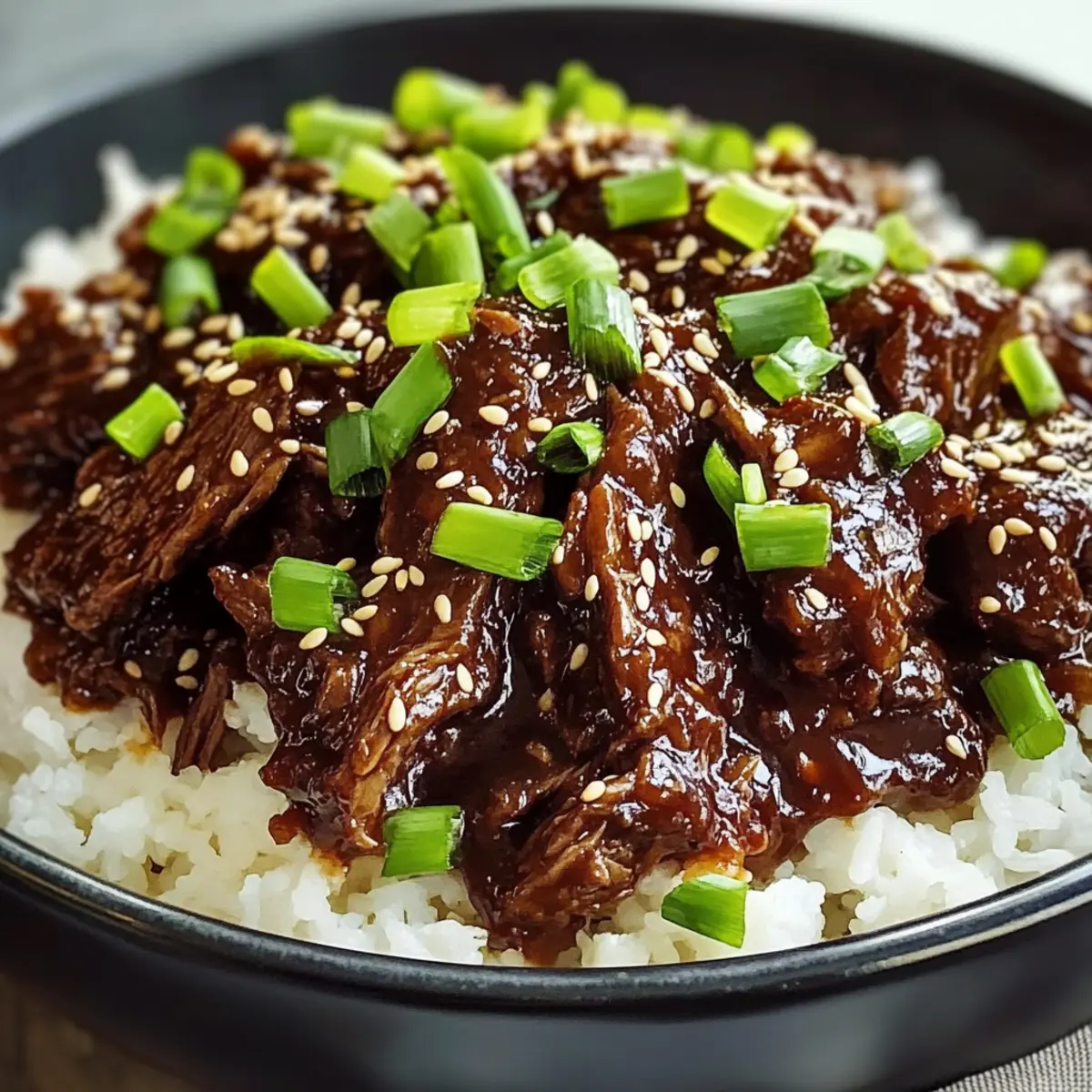
Slow Cooker Korean Beef: A Flavor-Packed Comfort Dish
Ingredients
Equipment
Method
- Begin by trimming any excess fat from the beef and cutting it into 2-inch chunks.
- Heat olive oil in a skillet over medium-high heat and sear beef chunks for 2-3 minutes on each side.
- Transfer the beef to the slow cooker and add chopped onions.
- In a mixing bowl, whisk together soy sauce, brown sugar, vinegar, sesame oil, ginger, garlic, and gochujang. Pour over beef.
- Stir gently to combine, cover, and cook on low for 6-8 hours or on high for 3-4 hours.
- Once cooked, shred the beef and, if desired, thicken the sauce with a cornstarch slurry.
- Return shredded beef to the sauce and garnish with green onions and sesame seeds before serving.
Leave a Reply